




Pregnancy is a time of immense change and excitement, but it also comes with its own set of mysteries. For many women, hearing about an anterior placenta during an ultrasound appointment can raise a flurry of questions: What does it mean? Is an anterior placenta dangerous? And, more importantly, how does it affect me and my baby?
When I first heard about it, I found myself wondering whether it was something I should be concerned about. Would it impact my pregnancy? My birth plan? It’s natural to have questions when you encounter a term you’ve never heard before. And if you’re in the same boat, you’re definitely not alone. Many expecting mothers are caught off guard when they find out that the position of the placenta can actually influence the way their pregnancy plays out.
In this article, I’ll take you through everything you need to know about an anterior placenta, from understanding its role in pregnancy to addressing the common concerns and complications that might arise. Whether you’re feeling confused or just looking for some reassurance, by the end of this post, you’ll have a clearer picture of what an anterior placenta means for you and your pregnancy journey.
What Exactly is an Anterior Placenta?
Before we dive into the risks, effects, or potential complications, let’s start with the basics: What exactly is an anterior placenta?
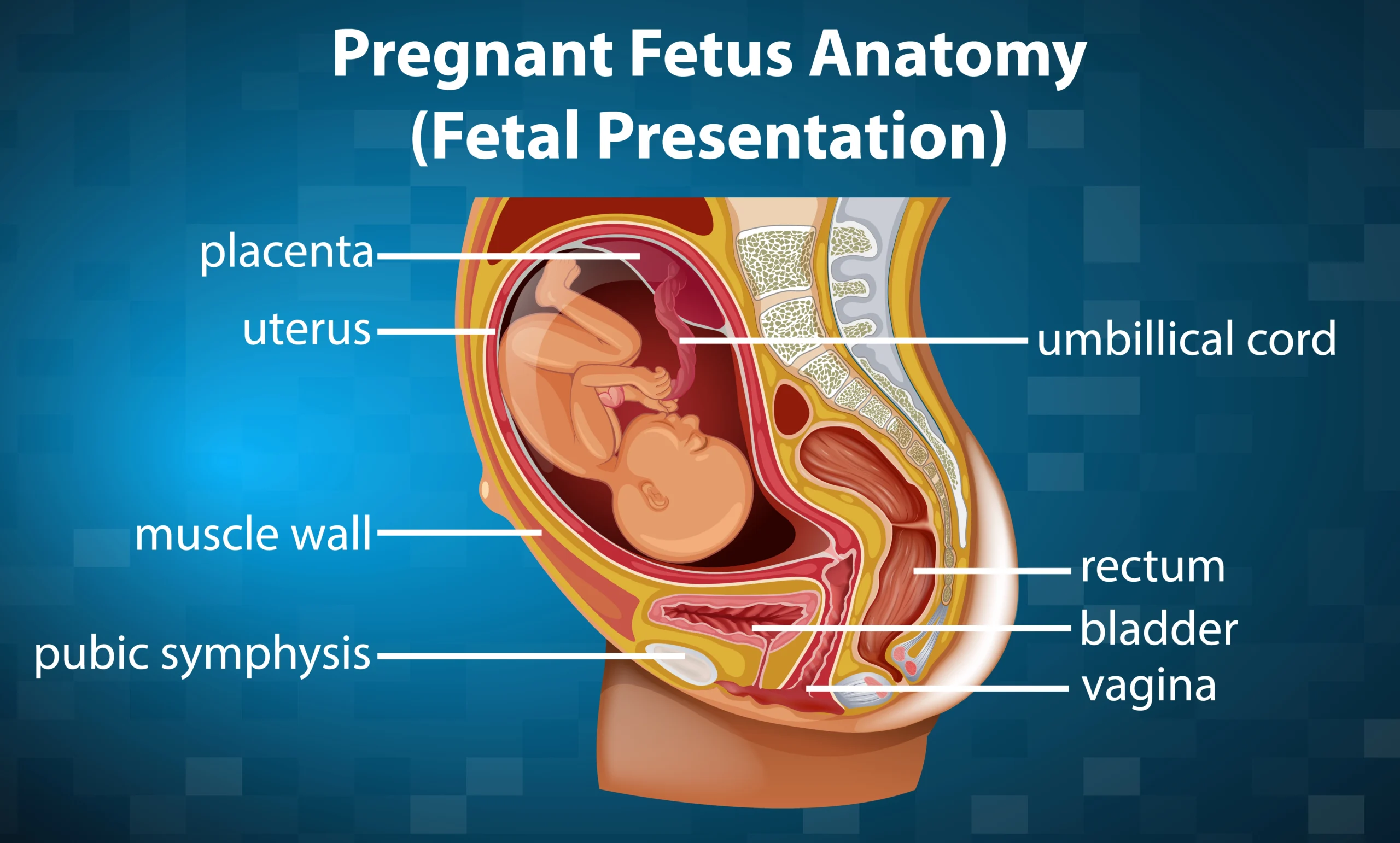
The placenta is an incredible organ that forms during pregnancy. It provides nutrients, oxygen, and a way for waste to be eliminated from the developing baby. The placenta is attached to the inside of the uterus and is connected to the baby via the umbilical cord. Now, depending on where this placenta attaches, it can be positioned in different areas of the uterus, such as:
- Anterior Placenta: Front of the uterus, facing the abdominal wall.
- Posterior Placenta: Back of the uterus, facing the spine.
- Fundal Placenta: Top of the uterus.
- Low-Lying Placenta: Lower part of the uterus near the cervix.
An anterior placenta simply refers to the placenta being attached to the front wall of the uterus, directly facing the abdominal muscles. It’s not unusual to have an anterior placenta – in fact, it’s quite common and usually harmless.
How Does an Anterior Placenta Affect Your Pregnancy?
When it comes to pregnancy, every little detail can seem important, and the position of your placenta is no exception. But how does an anterior placenta affect your experience? Well, it can have several impacts, both physical and emotional.
1. Baby Movements May Be Less Noticeable
One of the most noticeable effects of having an anterior placenta is that you might not feel your baby’s movements as strongly, especially in the second trimester. Why? Because the placenta, sitting at the front of the uterus, acts as a cushion between your baby and your abdominal wall. The kicks, punches, and rolls from your little one may feel less intense or more difficult to notice compared to a posterior placenta, where the baby’s movements are more directly felt.
2. Decreased Early Kicks and Movements
As a first-time mom, you may expect to feel baby movements early on. However, with an anterior placenta, you might find it takes a bit longer before you feel those first distinct flutters. Typically, women with an anterior placenta feel their baby’s movements around 20–24 weeks, while those with a posterior placenta may feel them a little sooner.
3. Back Pain and Discomfort
Some women with an anterior placenta report more significant back pain, especially as the pregnancy progresses. Why? The growing uterus and the position of the placenta can shift the way weight is distributed and place added pressure on your back. The added weight of the baby, coupled with the placental position, might contribute to discomfort or a heavier sensation in the lower back.
Is an Anterior Placenta Dangerous? The Truth
The short answer here is: No, an anterior placenta is not typically dangerous. In most cases, it does not pose any significant risks to you or your baby. However, I completely understand the worry, especially when you hear about something that you don’t fully understand. So, let’s address some of the biggest concerns about the anterior placenta and clear up any confusion.
1. Placenta Previa
One of the primary concerns that often comes up with an anterior placenta is the potential for placenta previa, a condition where the placenta partially or fully covers the cervix. Placenta previa can lead to bleeding, especially as labor approaches, and may make a vaginal birth more complicated.
But, here’s the good news: Placenta previa and anterior placenta are not the same thing. In fact, having an anterior placenta does not directly cause placenta previa, although, in some cases, it might be associated with a low-lying placenta. However, even with a low-lying anterior placenta, the chances of developing placenta previa are quite low.
2. Risk of C-Section
Another concern that often arises with an anterior placenta is the risk of a C-section. If the placenta is low-lying or obstructing the cervix, it may increase the likelihood of requiring a C-section. But for most women, anterior placenta does not directly lead to the need for a cesarean section.
The decision to have a C-section will depend more on other factors such as the baby’s position, size, or any complications during labor rather than the location of the placenta alone.
3. Placental Insufficiency
Placental insufficiency is a condition where the placenta does not provide enough nutrients or oxygen to the baby. While it’s a condition that can occur with any placental position, having an anterior placenta doesn’t inherently increase the risk of placental insufficiency. Still, regular monitoring through ultrasounds and fetal assessments can ensure that the placenta is functioning well and your baby is thriving.
How Can an Anterior Placenta Affect Your Birth Plan?
Many women wonder how the position of the placenta can influence their birth plan. So, if you have an anterior placenta, does it affect your chances of having a vaginal birth or a C-section?
1. Vaginal Birth vs. C-Section
The vast majority of women with an anterior placenta can deliver their baby vaginally. However, if the placenta is low-lying (closer to the cervix), it could block the birth canal, potentially leading to complications. In such cases, a C-section may be necessary for safety.
It’s crucial to have an open conversation with your healthcare provider about your birth plan. If your doctor discovers that your placenta is in a low-lying anterior position, they may want to monitor it closely and discuss options for delivery.
2. Placenta Previa and C-Section
As we discussed earlier, the anterior placenta doesn’t automatically mean placenta previa, but it’s important to monitor the situation. In the rare case where the anterior placenta causes placenta previa, the birth plan may change, and a C-section will likely be necessary.
How to Cope with Symptoms of an Anterior Placenta
While an anterior placenta isn’t usually dangerous, it can come with some discomforts. Here are some tips to help you cope:
| Symptom | Tips for Management |
| 1. Manage Back Pain | |
| Use a pregnancy pillow | Relieve pressure on your back when sleeping by using a pregnancy pillow for better support. |
| Exercise gently | Strengthen your back and improve posture by engaging in gentle exercises like walking or swimming. |
| Wear supportive shoes | Reduce strain on your back by wearing supportive shoes and avoiding high heels. |
| 2. Track Baby Movements | |
| Track kick counts | In the third trimester, your doctor may advise you to track the number of times your baby moves in a set period to stay informed. |
| Talk to your baby | Encourage movement by talking to your baby or playing music, as babies sometimes respond to sound. |
| Stay calm and patient | Keep in mind that the placenta is only one factor in your baby’s movement patterns. Stay calm and patient, especially when movements are less noticeable. |
When Should You Seek Medical Advice?
It’s always essential to stay on top of your health during pregnancy. While an anterior placenta is typically harmless, there are a few signs you should watch for:
- Significant decrease in fetal movements: If you notice a sudden or drastic reduction in movement, contact your doctor.
- Heavy bleeding or cramping: Spotting may occur occasionally, but if it becomes heavy, seek immediate medical attention.
- Severe back pain: If your back pain becomes unbearable or persistent, discuss it with your healthcare provider.
FAQ: Common Questions About Anterior Placenta
1. Does an anterior placenta affect my chances of a natural birth?
No, most women with an anterior placenta can have a vaginal delivery. However, it depends on other factors like the placenta’s position and the baby’s presentation.
2. Can I feel my baby move with an anterior placenta?
Yes, but the movements may be less noticeable, especially in the earlier stages of pregnancy.
3. Is an anterior placenta a risk for preterm labor?
No, an anterior placenta does not increase the risk of preterm labor. Other factors may affect the timing of labor.
4. Does an anterior placenta lead to a C-section?
It can, but only if the placenta is low-lying or obstructs the cervix. Regular check-ups can ensure your delivery goes smoothly.
Conclusion: Understanding the Anterior Placenta
If you have an anterior placenta, there’s no need to panic. While it may come with a few unique challenges, it is generally not a dangerous condition. By staying informed and working closely with your healthcare provider, you can navigate any potential issues with confidence.
Whether it’s adjusting to less noticeable baby movements or discussing your birth plan, the most important thing is to trust your body and stay in close contact with your doctor. Pregnancy is a journey, and your anterior placenta is just one of the many milestones along the way.
