
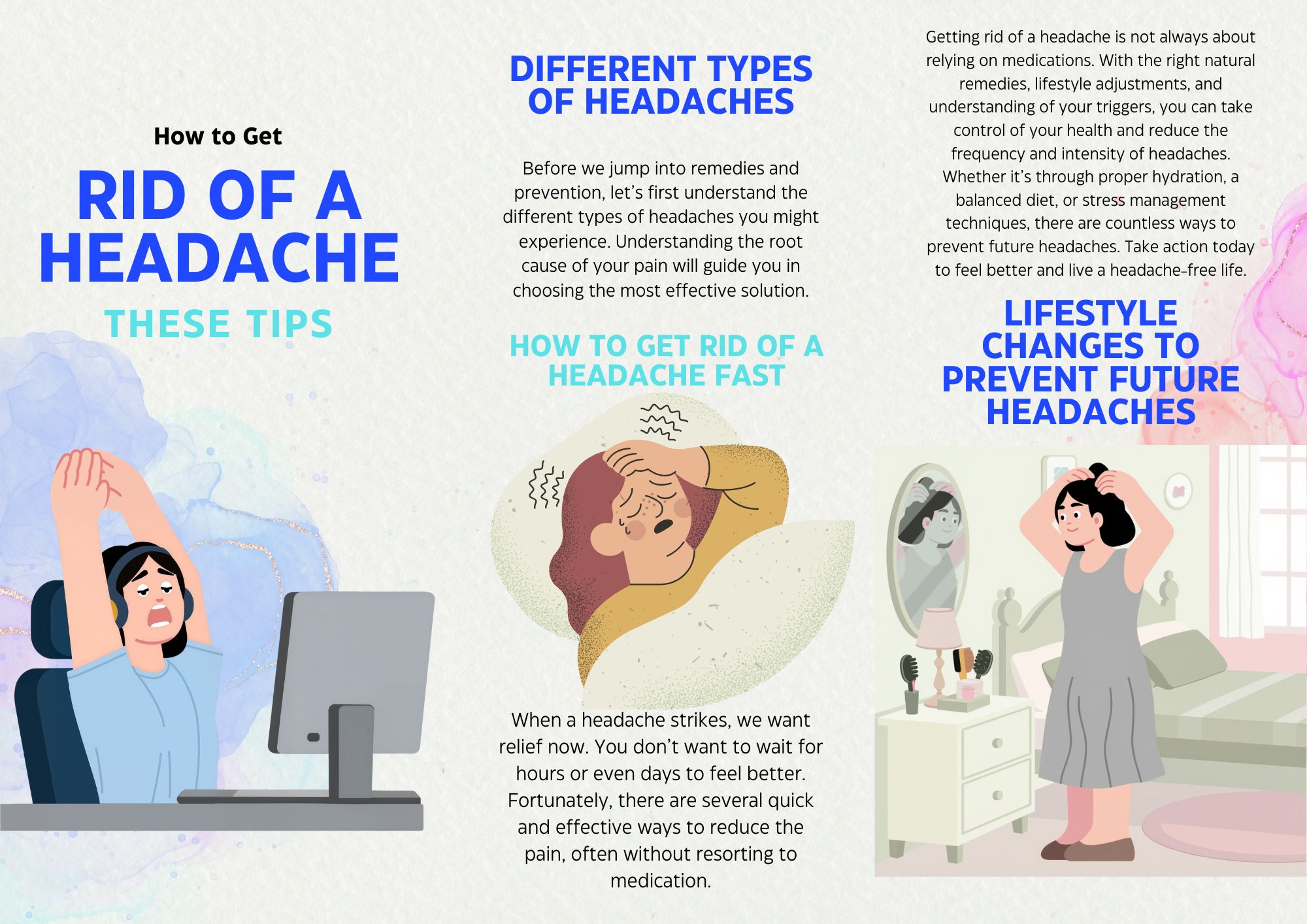





Headaches. We all get them. They hit when you least expect it, disrupting your day and draining your energy. Whether it’s a sharp migraine, a tension headache from stress, or a sinus headache that makes your forehead throb, headaches can really take a toll on your day-to-day life. But what if I told you there are multiple ways to not just get rid of a headache, but prevent them from occurring in the future? You don’t have to resort to medications all the time or let the pain rule your life. Instead, let’s explore some powerful, natural strategies to help you tackle headaches effectively and reduce their frequency.
In this article, I’ll take you through practical, easy-to-follow tips on how to get rid of a headache fast, along with long-term solutions that can help you minimize the chances of future headaches. We’ll dive into natural remedies, lifestyle changes, and expert advice that you can apply immediately. If you’re tired of relying on painkillers and want to regain control of your health, this guide is for you.
Understanding the Different Types of Headaches
Before we jump into remedies and prevention, let’s first understand the different types of headaches you might experience. Understanding the root cause of your pain will guide you in choosing the most effective solution.
Tension Headaches
Tension headaches are the most common type of headache. They typically feel like a constant, dull ache or pressure around your forehead, temples, or the back of your head. You might feel as though someone is squeezing your head with a tight band. These headaches are often triggered by stress, muscle tension, or poor posture. If you’re sitting at a desk all day or staring at a screen for too long, your neck and shoulder muscles can become tight, which in turn, triggers a headache.
Tip: If you’re prone to tension headaches, try doing shoulder and neck stretches throughout the day. This can help relieve the tightness and ease the headache before it worsens.
Migraine Headaches
Migraines are more intense than tension headaches. You might experience a throbbing pain on one side of your head, often accompanied by nausea, vomiting, and sensitivity to light or sound. Migraines can last for hours, sometimes even days. Many factors can trigger migraines, including stress, certain foods, hormonal changes, and environmental factors such as bright lights or strong smells.
Tip: If you’re prone to migraines, consider keeping a migraine diary. Note what you eat, how much you sleep, and any other potential triggers to identify patterns and prevent future episodes.
Cluster Headaches
Cluster headaches are rarer but extremely painful. They are characterized by intense, sharp pain around one eye or one side of your head. These headaches typically occur in cycles, with pain that comes and goes, often at the same time each day. The pain can be so severe that it causes restlessness and irritability.
Tip: If you experience cluster headaches, it’s important to consult a healthcare professional for a proper diagnosis and treatment options, as these headaches require specialized care.
Sinus Headaches
Sinus headaches are often mistaken for regular headaches. They occur when the sinuses become inflamed due to a cold, allergies, or a sinus infection. The pain is usually concentrated in the forehead, around the eyes, or in the cheeks, and it’s often accompanied by nasal congestion or discharge.
Tip: If you suspect sinus headaches, treating the underlying sinus issue (with antihistamines or decongestants) will help reduce the frequency of these headaches.
How to Get Rid of a Headache Fast
When a headache strikes, we want relief now. You don’t want to wait for hours or even days to feel better. Fortunately, there are several quick and effective ways to reduce the pain, often without resorting to medication.
1. Stay Hydrated
Dehydration is one of the most common headache triggers. If you haven’t had enough water throughout the day, your headache might be a signal that your body needs fluids. Drinking water can help hydrate you and alleviate the pain within 30 minutes to an hour.
Tip: Keep a water bottle with you at all times. Sip water throughout the day to stay hydrated and prevent headaches from occurring in the first place.
2. Apply a Cold or Warm Compress
One of the quickest ways to ease a headache is to use either a cold or warm compress. A cold compress can help reduce inflammation, especially if your headache is due to tension or sinus issues. On the other hand, a warm compress can relax tight muscles and relieve tension headaches.
| Method | Instructions | Additional Tips |
| Cold Compress | Apply the cold pack to your forehead or the back of your neck for 15-20 minutes. | Focus on relaxation and deep breathing to enhance its effect. |
| Warm Compress | Apply the warm compress to the back of your neck or shoulders if the pain is related to muscle tension. | Ensure the temperature is comfortable and avoid applying directly to bare skin to prevent burns. |
3. Over-the-Counter Pain Relief
If you need faster relief and other methods aren’t working, over-the-counter pain relievers like ibuprofen, aspirin, or acetaminophen can help. These medications are designed to reduce pain and inflammation, and they can offer quick relief when taken as directed.
Tip: While pain relievers are effective, they should be used sparingly. Frequent use of painkillers can lead to rebound headaches, where your headache worsens after the medication wears off.
4. Deep Breathing and Meditation
Stress is a major trigger for many types of headaches. If stress is the cause of your headache, relaxation techniques like deep breathing or meditation can help calm your mind and ease the pain.
| Deep Breathing Exercise | Instructions |
| Find a quiet place to sit | Choose a comfortable and quiet environment where you can focus without distractions. |
| Close your eyes | Close your eyes to eliminate external distractions and enhance relaxation. |
| Take a slow, deep breath in through your nose | Inhale deeply through your nose, filling your lungs completely. |
| Exhale slowly through your mouth | Slowly exhale through your mouth, releasing any tension. |
| Repeat for 5–10 minutes | Continue the process for 5–10 minutes to fully relax your body and reduce headache tension. |
This exercise will help lower your stress levels, which can reduce the intensity of your headache.
5. Massage and Acupressure
Massage therapy and acupressure can help alleviate headache pain, especially if your headache is caused by tension in your neck, shoulders, or temples. You can perform acupressure on yourself by applying pressure to specific points on your body.
Tip: Use your fingers to apply gentle pressure to your temples, the space between your eyebrows, or the base of your skull. These points are known to relieve headache pain.
Natural Remedies to Prevent Future Headaches
Prevention is often the best strategy when it comes to headaches. Here are some natural remedies that can help reduce the frequency and severity of headaches over time.
1. Adjust Your Diet
Certain foods can either trigger or prevent headaches. Understanding which foods are likely to cause headaches and which can help prevent them is crucial for long-term relief.
| Foods that may trigger headaches | Foods that can help prevent headaches |
| Aged cheeses | Leafy greens (especially those rich in magnesium like spinach, kale) |
| Processed meats | Almonds and walnuts |
| Caffeinated beverages (if consumed in excess) | Bananas and avocados (rich in potassium) |
| Chocolate | Fish like salmon (rich in omega-3 fatty acids) |
Tip: Keep a food journal to track any foods that may trigger your headaches. Once identified, you can avoid these triggers to reduce the likelihood of headaches.
2. Herbal Remedies
There are many herbs that can help prevent headaches or provide relief when you have one. For example:
Peppermint Oil: Applying diluted peppermint oil to your temples can help relieve tension headaches. Its cooling effect relaxes the muscles and promotes blood circulation.
Feverfew: This herb has been shown to help reduce the frequency and severity of migraines. It’s available in supplement form or as a tea.
Ginger: Ginger has natural anti-inflammatory properties that can help reduce nausea and pain associated with migraines.
Tip: If you’re interested in trying herbal remedies, always consult with a healthcare provider first, especially if you’re pregnant or taking other medications.
3. Essential Oils and Aromatherapy
Aromatherapy can be a soothing, natural remedy for headaches. Certain essential oils, like lavender and eucalyptus, have pain-relieving properties.
Lavender Oil: Studies have shown that lavender oil is effective in treating headaches. You can diffuse it in your home or apply diluted oil to your temples.
Eucalyptus Oil: Eucalyptus oil can be particularly helpful for sinus headaches. Its refreshing scent can help open up nasal passages and alleviate the pressure.
Tip: Use a diffuser to inhale the calming scents of these oils, or dilute them in a carrier oil and massage them into your temples for immediate relief.
4. Regular Exercise
Exercise is a great way to prevent headaches by improving blood flow and reducing stress. Regular physical activity helps keep your body in balance, which can prevent tension and migraine headaches.
Tip: Aim for at least 30 minutes of moderate exercise, like walking, swimming, or cycling, several times a week.
Lifestyle Changes to Prevent Future Headaches
While remedies are effective, making some lifestyle changes can help reduce headaches in the long term.
1. Sleep Hygiene
Both insufficient and excessive sleep can trigger headaches. Developing good sleep hygiene will help you get the rest you need without triggering headaches.
Tip: Set a consistent sleep schedule, avoid caffeine and electronics before bed, and create a calming environment for better sleep quality.
2. Stress Management
Stress is one of the most common causes of tension headaches. By managing your stress levels, you can significantly reduce the frequency of headaches.
Tip: Incorporate relaxation techniques like yoga, deep breathing, or journaling into your daily routine to manage stress effectively.
3. Posture Improvement
Poor posture, especially if you sit at a desk for long periods, can lead to tension headaches. Maintaining good posture will help prevent this type of headache.
Tip: Adjust your workstation to ensure you’re sitting at the proper height and that your screen is at eye level. Also, take breaks to stand up, stretch, and move around.
When to Seek Medical Help
While most headaches can be treated at home, there are times when it’s essential to see a doctor. If your headaches are severe, frequent, or interfere with your daily activities, it’s important to seek medical advice.
Tip: If your headaches are sudden and intense or accompanied by symptoms like confusion, vision changes, or loss of consciousness, seek emergency medical help immediately.
Conclusion
Getting rid of a headache is not always about relying on medications. With the right natural remedies, lifestyle adjustments, and understanding of your triggers, you can take control of your health and reduce the frequency and intensity of headaches. Whether it’s through proper hydration, a balanced diet, or stress management techniques, there are countless ways to prevent future headaches. Take action today to feel better and live a headache-free life.
