


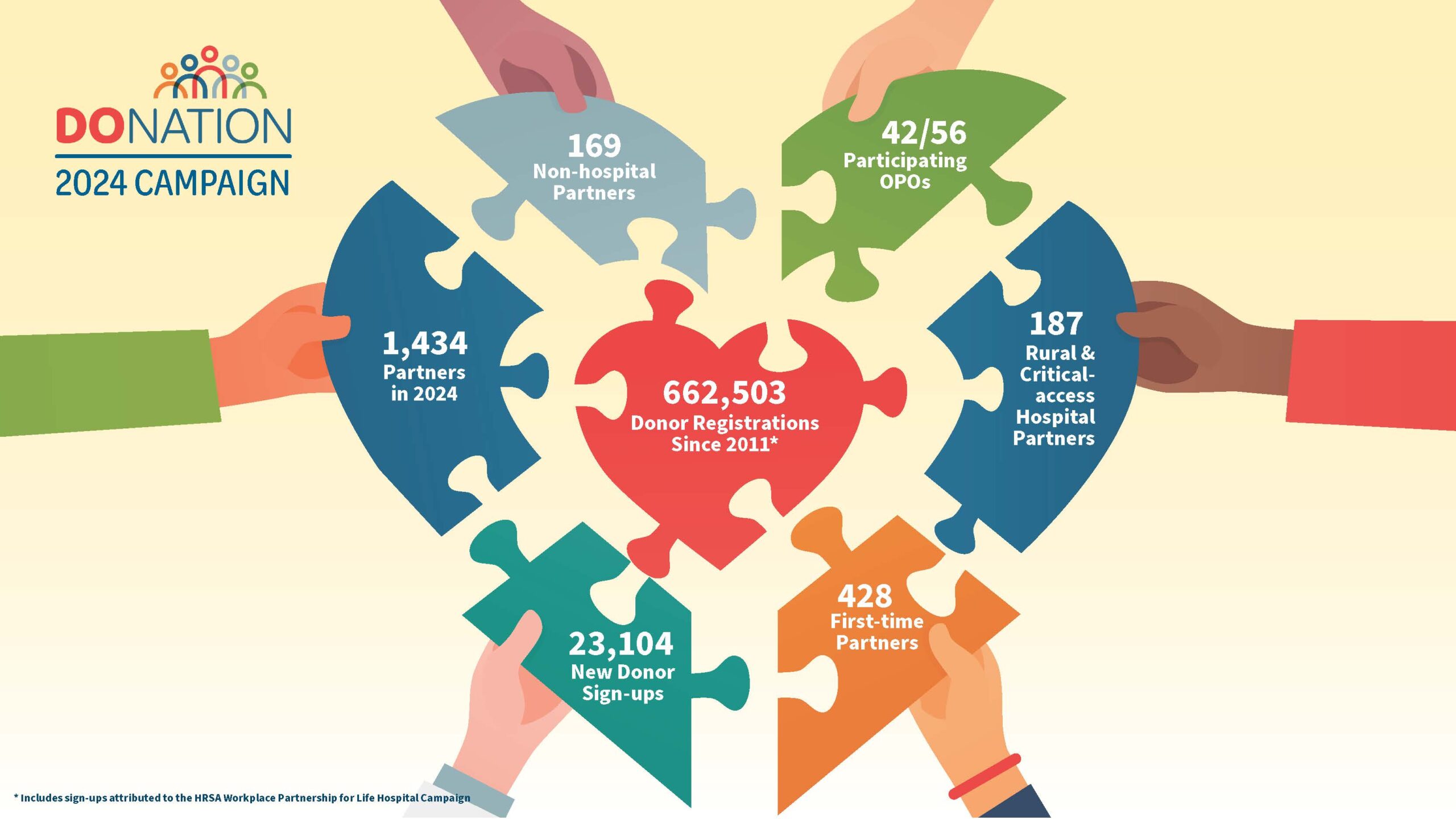
Every day, hundreds of Americans face the uncertainty of waiting for a life-saving organ transplant. For many, the clock is ticking, and the difference between life and death may hinge on the efficiency and dedication of Organ Procurement Organizations (OPOs). Despite the generous number of Americans willing to donate organs, the system is complex, highly coordinated, and relies on professional networks operating behind the scenes. These organizations work tirelessly to ensure every viable organ reaches the patient who needs it most, balancing ethical considerations, logistical hurdles, and medical urgency.
In this article, we’ll take a comprehensive look at how OPOs save lives across the United States, exploring their operations, challenges, innovations, and the vital role that individuals and communities play in supporting them. By the end, you will gain a clear understanding of the organ donation process, the people behind it, and how you can make a meaningful impact.
What Is an Organ Procurement Organization?
An Organ Procurement Organization is a federally designated, nonprofit entity responsible for coordinating organ donation within a defined region. OPOs serve as a bridge between hospitals, donors, and transplant centers, ensuring that organs are allocated efficiently, ethically, and safely. Their mission is simple in words but incredibly complex in practice: to save as many lives as possible through organ donation.
The History and Evolution of OPOs
The modern OPO system in the United States emerged from the growing recognition in the 1960s and 1970s that organ donation could save lives if it was properly coordinated. The National Organ Transplant Act of 1984 formalized the framework, creating federally regulated standards for organ allocation and procurement. Today, 57 OPOs operate nationwide, each responsible for a geographic region, from small rural areas to large urban centers.
These organizations have evolved alongside medical advancements, moving from rudimentary coordination to sophisticated networks that utilize data systems, AI-driven allocation tools, and rapid logistics to maximize the chances of a successful transplant.
Who Are the Key Players?
OPOs don’t operate in isolation. They collaborate with multiple stakeholders, including:
- Hospitals and ICU teams: Identify potential donors and initiate referral protocols.
- Transplant centers: Perform the surgical procedures and provide ongoing patient care.
- Federal oversight agencies (e.g., HRSA and UNOS): Ensure regulatory compliance and fairness in organ allocation.
- Donor families: Provide consent and support during the donation process.
The Impact in Numbers
- Over 39,000 transplants are performed annually in the U.S., thanks to OPO coordination.
- One donor can save up to 8 lives and improve more than 75 others through tissue donation.
- Millions of Americans are on organ transplant waiting lists, making the role of OPOs critical in bridging the gap between need and supply.
How Organ Procurement Organizations Operate
The operations of OPOs are intricate, requiring precision, empathy, and efficiency. From donor identification to organ recovery and delivery, every step is carefully coordinated.
1. Donor Identification and Referral
Hospitals are the frontlines of organ procurement. Medical teams identify patients who meet criteria for potential donation, typically individuals with severe brain injuries or end-of-life conditions where organs remain viable. OPOs rely on hospital notifications to ensure that no potential donor is overlooked, making timely communication essential.
2. Family Consent and Ethical Considerations
Approaching a family about organ donation requires sensitivity, professionalism, and transparency. OPO representatives explain the donation process, address concerns, and guide families through consent, all while respecting the donor’s wishes and cultural or religious considerations. These conversations are delicate but vital: they ensure that donation occurs ethically and that families feel supported in their decisions.
3. Matching Donors With Recipients
Once consent is obtained, OPOs coordinate with transplant centers to identify the most suitable recipients. This involves considering:
- Blood type and tissue compatibility.
- Urgency of the recipient’s medical condition.
- Geographic proximity to minimize transport time.
- Fair allocation policies mandated by UNOS.
Advanced algorithms are used to maximize organ utility and ensure equitable distribution across regions.
4. Organ Recovery and Transportation
Organ recovery is performed by specialized surgical teams, often coordinated by the OPO. After retrieval, organs must be transported quickly to transplant centers, sometimes across state lines. Maintaining viability during transport requires specialized equipment, temperature control, and coordination with air and ground transport. Timing is critical—delays can render organs unusable, which could mean the difference between life and death for recipients.
A Snapshot of the Process
- Donor identification in hospital
- Family consultation and consent
- Matching with recipient using allocation algorithms
- Organ recovery and surgical preparation
- Rapid transportation to transplant center
- Transplant surgery
This meticulous coordination ensures that donation saves as many lives as possible.
The Life-Saving Impact of Organ Procurement Organizations
The results of OPO efforts are tangible, measurable, and transformative.
Lives Saved
Every donor has the potential to impact multiple lives. One individual’s donation can save:
- Heart: Life-saving for those with end-stage heart failure.
- Kidneys: The most commonly transplanted organ, freeing patients from dialysis.
- Liver: Critical for patients with liver failure, often giving decades of additional life.
- Lungs, pancreas, intestines: Vital for patients with organ-specific diseases.
Statistics That Tell a Story
- 39,000+ organ transplants annually are coordinated by OPOs.
- Tissue donations, such as corneas, skin, and bone, benefit over 75 recipients per donor.
- Regional differences highlight the need for improved awareness and registration to reduce wait times in underrepresented areas.
Real-Life Stories
Consider the story of a 38-year-old mother awaiting a liver transplant. Thanks to her regional OPO, she received a compatible organ within weeks of her critical diagnosis. Today, she is active, healthy, and able to care for her children. These narratives humanize the statistics, illustrating the true life-saving value of OPOs.
Challenges Faced by Organ Procurement Organizations
Despite their successes, OPOs confront numerous challenges that can impede organ donation efforts.
Organ Shortages
The demand for organs consistently outpaces supply. Millions of Americans are registered on waitlists, yet not enough organs become available due to:
- Lack of donor registration.
- Medical ineligibility of some potential donors.
- Public misconceptions and fear surrounding organ donation.
Legal and Ethical Complexities
OPOs must navigate complex federal regulations and hospital policies to ensure fair, legal, and ethical organ allocation. These regulations include:
- Consent requirements.
- Equitable distribution among patients of varying urgency levels.
- Compliance with state and federal laws, especially when transporting organs across borders.
Public Awareness and Misconceptions
Despite outreach campaigns, myths persist, including beliefs that organ donation may interfere with medical care or violate religious principles. OPOs combat this with education, transparency, and community engagement.
Technological and Logistical Hurdles
Efficient matching and transportation of organs demand state-of-the-art technology, such as:
- AI-driven allocation algorithms.
- Real-time tracking and communication systems.
- Advanced preservation methods to extend organ viability.
How Individuals and Communities Can Support OPOs
Every individual can play a role in improving organ donation outcomes.
Register as an Organ Donor
Registering as an organ donor ensures your wishes are honored. Most U.S. states offer online registration through their DMV or Donate Life America.
Discuss Donation with Family
Even if you are registered, family support is critical. Discuss your decision openly so your loved ones can advocate for your wishes in critical moments.
Raise Awareness
Community outreach and education can help dispel myths and encourage registration. Hosting events, participating in campaigns, or sharing credible information online can make a measurable difference.
Volunteer or Advocate
OPOs often rely on volunteers and advocates to support hospital coordination, patient education, and awareness campaigns. Active community involvement can enhance the efficiency and reach of organ procurement efforts.
Innovations and the Future of Organ Procurement
OPOs are embracing technology and research to increase transplant success and reduce organ shortages.
Organ Preservation Techniques
Research into improved preservation solutions and transportation containers extends the viability of organs, allowing for broader distribution and more successful transplants.
Bioprinting and Xenotransplantation
Experimental techniques, such as 3D organ printing and genetically modified animal organs, offer hope for reducing shortages in the future.
AI and Data Systems
Artificial intelligence streamlines donor-recipient matching, predicts organ viability, and optimizes logistical planning, reducing waste and saving more lives.
Policy Reforms
Federal initiatives aim to improve donor registration rates, incentivize hospitals to notify OPOs promptly, and enhance public education, creating a more efficient and equitable donation system.
FAQs About Organ Procurement Organizations
1. What is an organ procurement organization?
An OPO is a nonprofit entity that coordinates organ donation and recovery to save lives.
2. How does an OPO differ from a transplant center?
Transplant centers perform surgical procedures, while OPOs manage donor identification, consent, and organ allocation.
3. Can I donate organs if I have a chronic illness?
Eligibility depends on individual health and the specific organ. OPO staff evaluate each potential donor carefully.
4. How do I register as an organ donor?
Register through your state registry or Donate Life America, and inform your family.
5. Does organ donation cost the donor’s family anything?
No. Donation-related costs are covered, and families are never charged.
6. How quickly are organs transported after recovery?
Organs are transported immediately, often using specialized medical couriers or air transport, to maintain viability.
